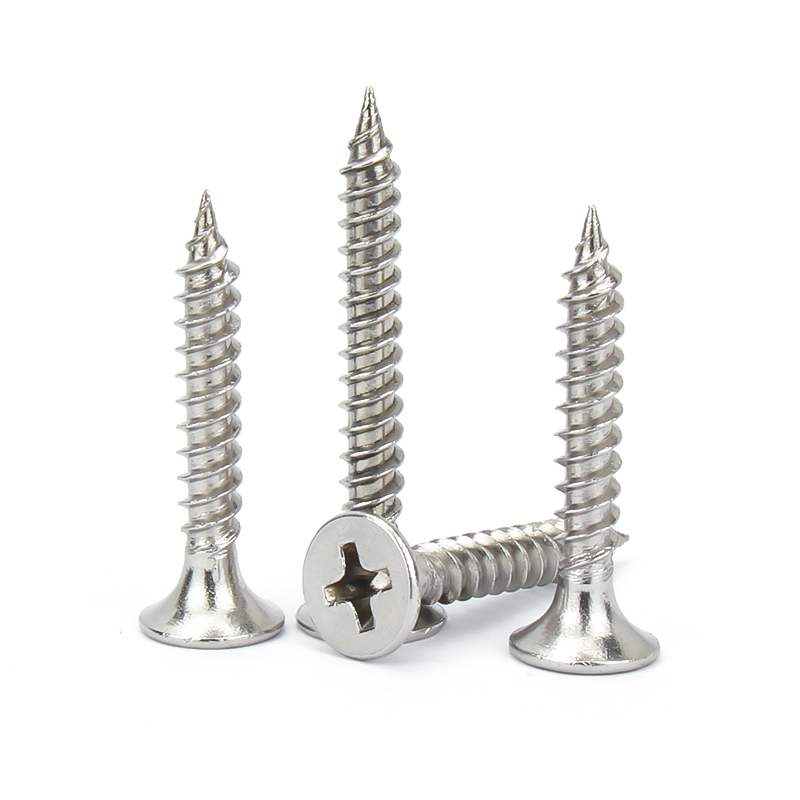
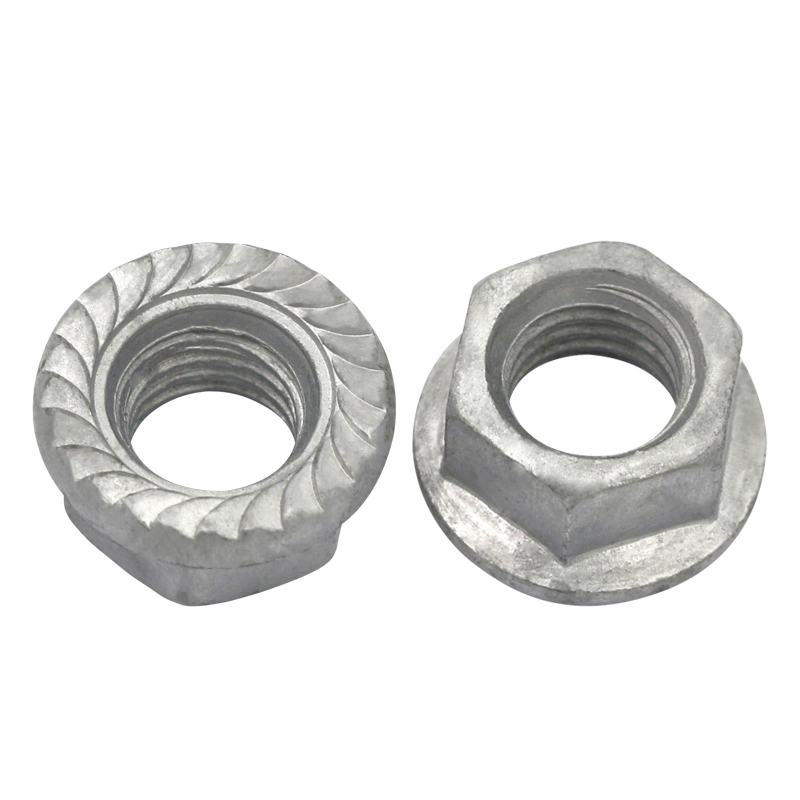
When comparing a China Hex Head Self Tapping Bolts Manufacturer, Factory & Suppliers, the most useful evaluation criteria are application fit, specification scope, customization path, and how clearly the supplier communicates. A strong inquiry goes beyond asking for a catalog — it describes the end use, target quantity, destination market, and any approval steps already in place.
This page is organized around supplier comparison and customization planning, so you can convert a broad search into specific, answerable questions for any shortlisted factory or trading partner.
Before reaching out to any supplier, define how hex head self tapping bolts will be used in your application. Note the base material being fastened, the required drive depth, head bearing surface needs, and whether corrosion resistance or coating appearance is a fixed requirement. Suppliers can match products more accurately when the application context is part of the first message.
Compare suppliers across size range, thread type, material grade, surface finish, packaging format, and minimum order quantity. If your project involves a sample approval workflow, prepare reference drawings, existing sample photos, or target market compliance notes before requesting samples. This shortens the back-and-forth and reduces the risk of receiving samples that do not match your actual need.
When preparing a quotation request, include your quantity range, delivery destination, required lead time, and the approval steps your team follows before a bulk order is confirmed. For ongoing or repeat orders, ask the supplier directly how they handle sample consistency, inspection documentation, and packaging labeling across production runs.
During supplier comparison, pay attention to how each factory responds to your application details. A supplier that asks relevant follow-up questions about your use case and specification priorities is generally easier to work with than one that replies only with a standard product list. Specification clarity on both sides reduces errors at the bulk order stage.