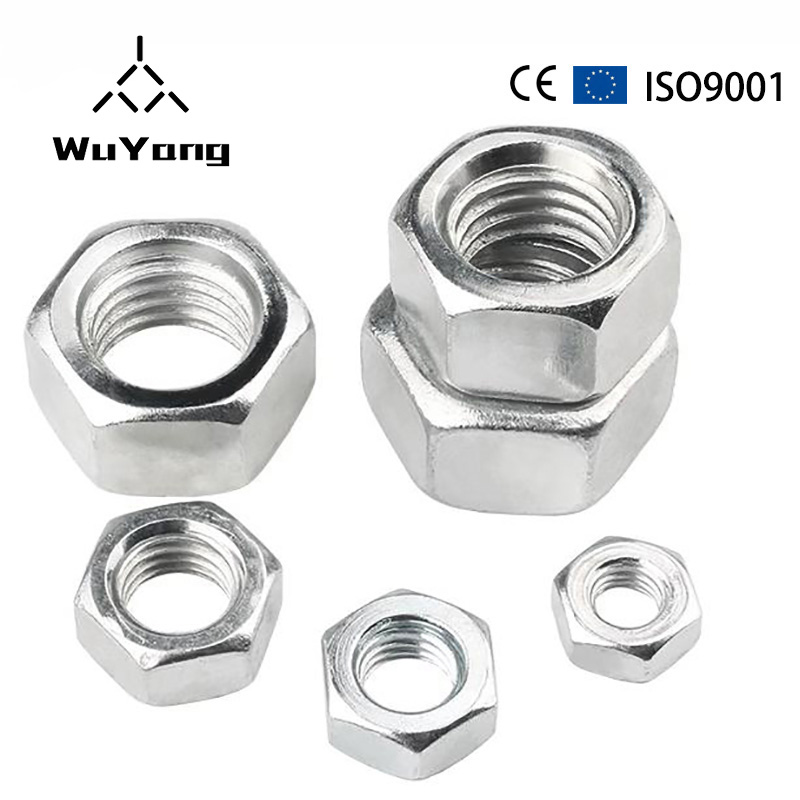
A factory purchasing team evaluating a China Bolts and Fasteners Manufacturer, Factory & Suppliers should compare suppliers on application fit, specification scope, customization capability, and responsiveness to technical questions. The strongest RFQs include project context, destination market, quantity range, and specific decision priorities rather than a general catalog request.
This page is organized around RFQ preparation and application matching, helping you convert a sourcing keyword into precise questions that a qualified fastener supplier can answer with relevant product recommendations and sample proposals.
Begin by documenting how the bolts and fasteners will be used in your specific application. Note the load type, environmental exposure, assembly method, and any regulatory or destination-market standards that apply. Suppliers can only recommend appropriate products when they understand the actual usage conditions rather than a general product category.
Next, compile your specification checklist: diameter, thread pitch, length, material grade, surface finish, head type, drive style, and packaging format. For export order preparation, include any labeling, language, or country-of-origin marking requirements. If you have existing samples, drawings, or reference products, attach them to your inquiry to reduce back-and-forth on technical details.
Before requesting a quotation, confirm your quantity range per SKU, target delivery timeline, port of loading preference, and the internal approval steps your team follows before placing an order. Sharing this information upfront allows the supplier to propose realistic lead times, minimum order quantities, and sample confirmation procedures that fit your schedule.
When reviewing supplier responses, pay attention to installation, usage, and after-sales questions they raise. A supplier that asks about torque requirements, coating durability, or reorder frequency is demonstrating application knowledge. Compare replies on technical depth, sample policy, quality inspection process, and how after-sales issues such as dimensional variance or finish inconsistency are handled on export orders.